Reference Case: R GO Instruments
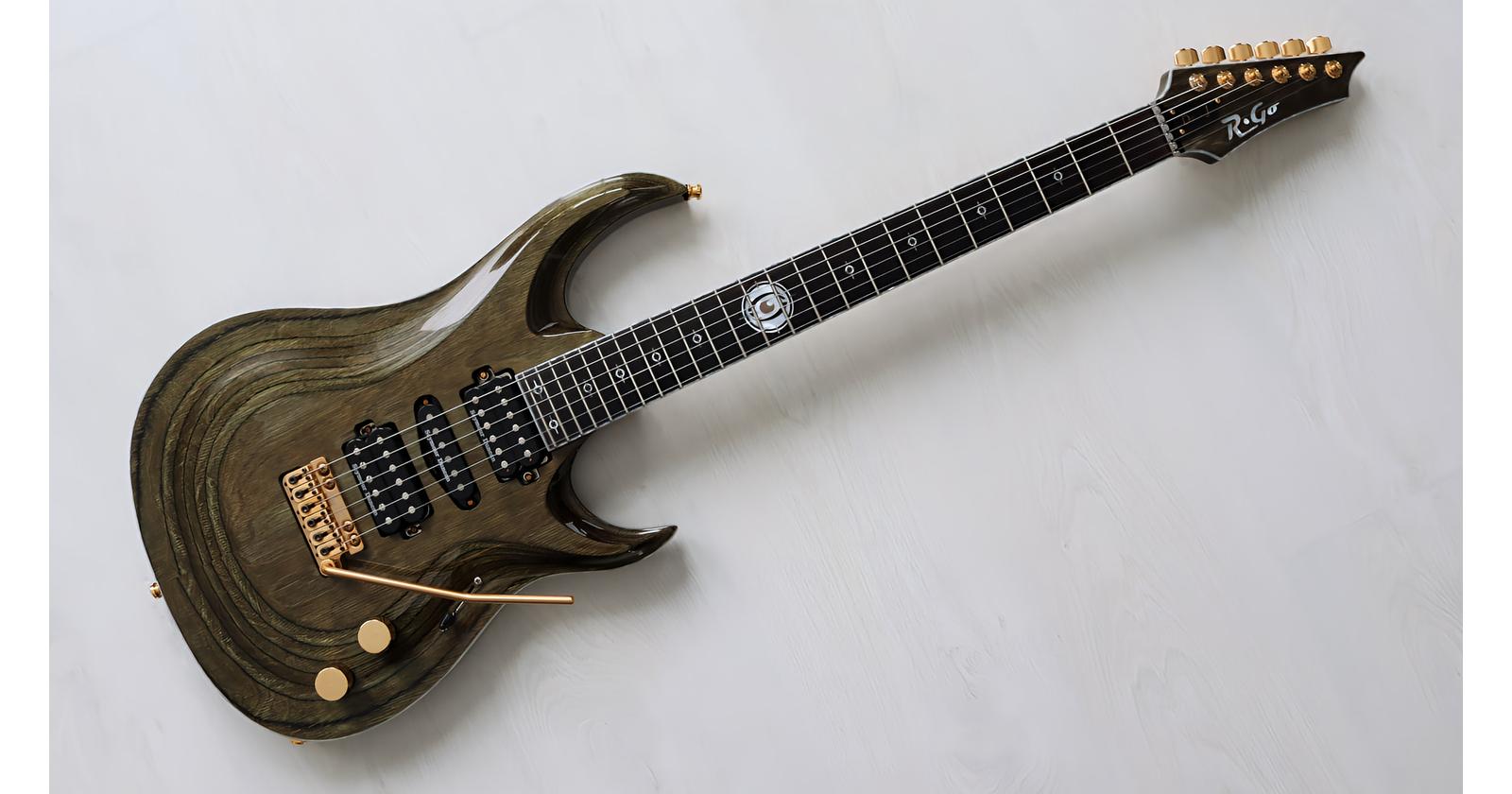
For Finnish custom guitar maker R GO Instruments, every instrument is a balance of sound, structure and visual expression. The choice of materials plays a central role in achieving that balance.
What began as a chance discovery has evolved into a trusted material partnership.
“We heard about CWP’s rainbow-coloured birch through a recommendation. I bought a few boards for myself and thought that if the material performs in rifle stocks, it will certainly work in guitars as well.” - Pekka Mäkinen, R Go Instruments
Today, CWP’s laminated birch is featured in several R GO Instruments models, bringing together striking aesthetics, structural stability and responsible material sourcing.
Summary
- R GO Instruments uses CWP laminated birch in custom guitar models.
- The material supports distinctive visual depth, especially on curved surfaces.
- Laminated birch offers stability, strength and a locally sourced alternative with strong design character.
A material that shapes the design
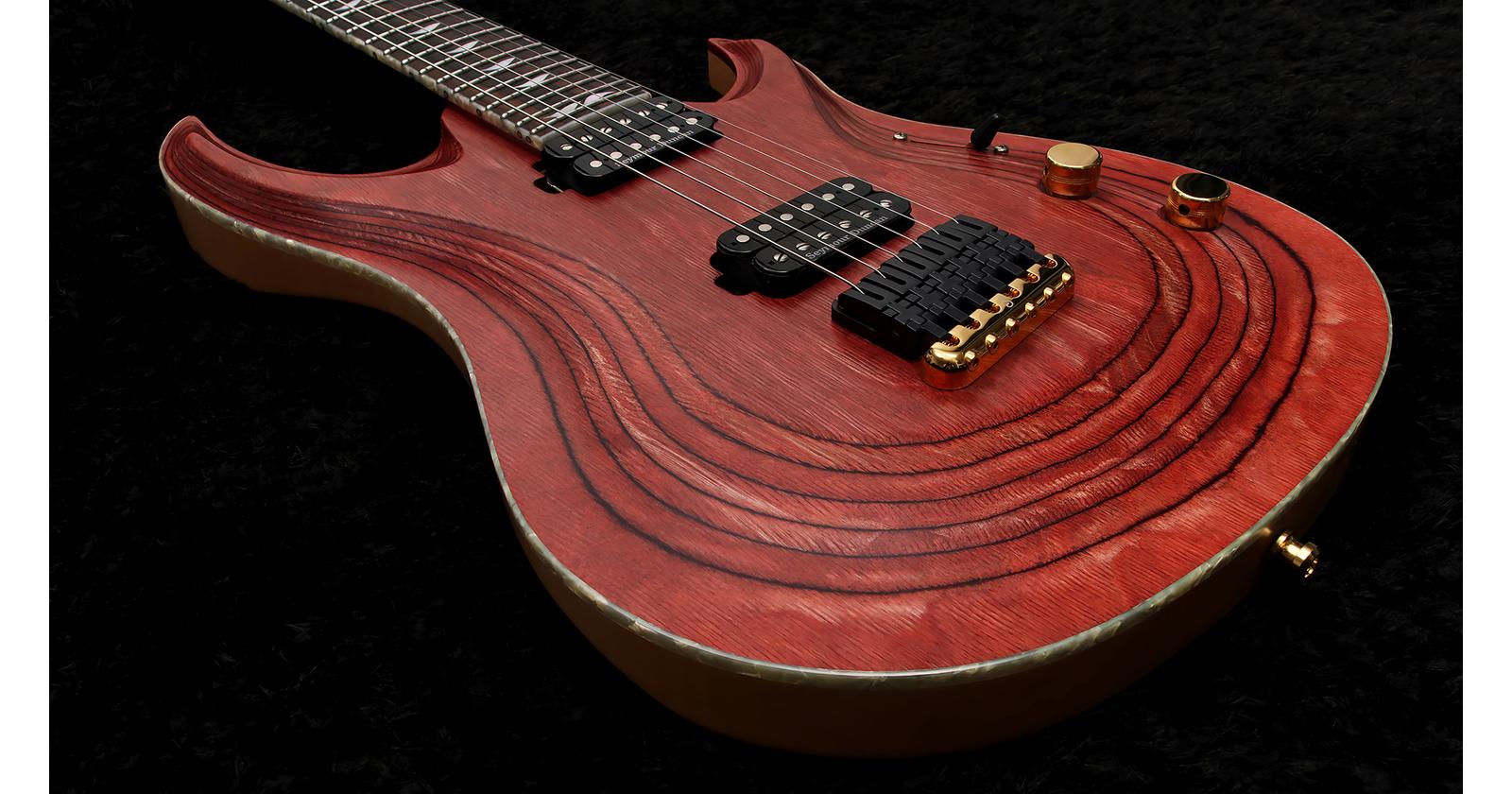
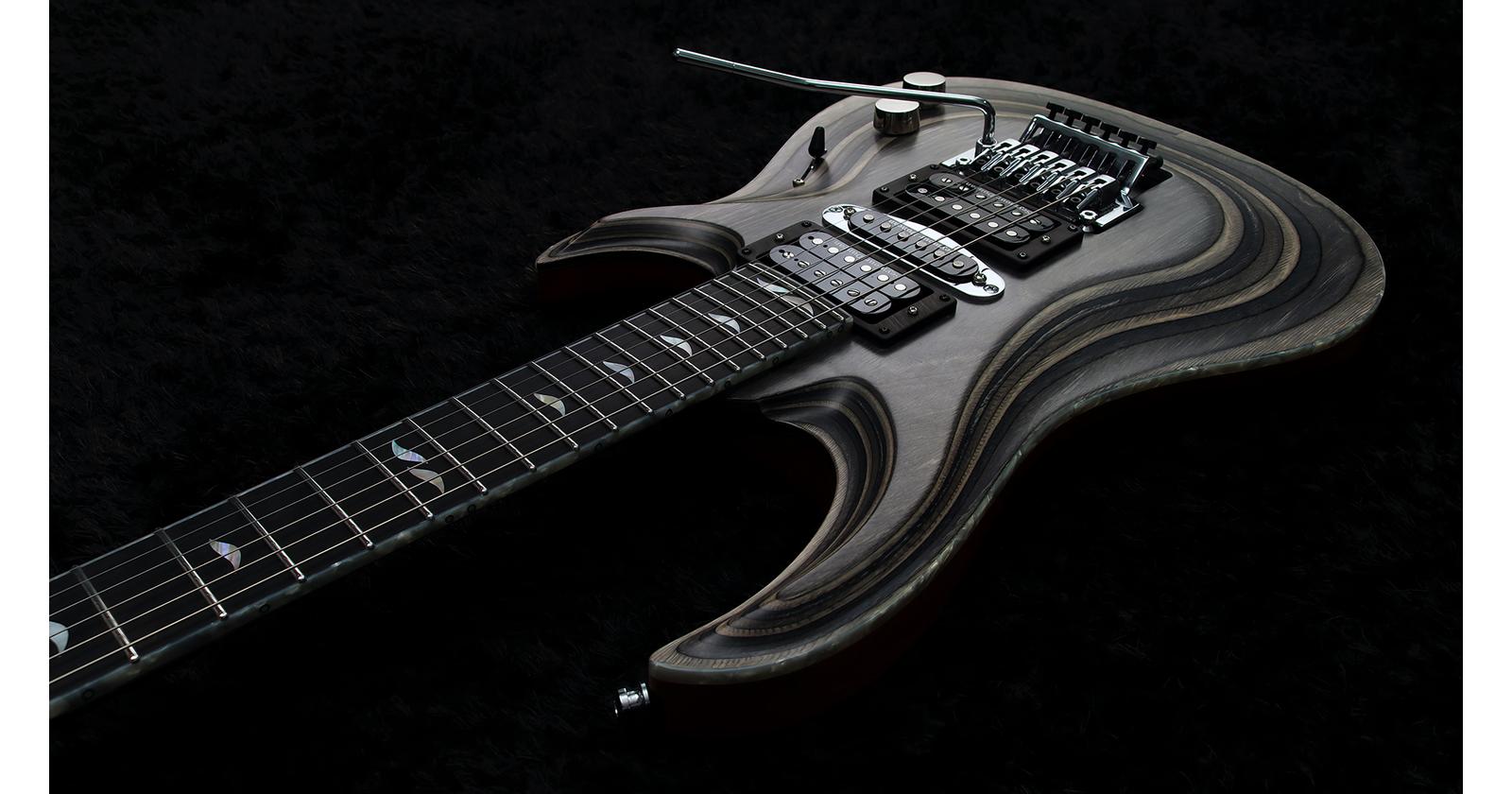
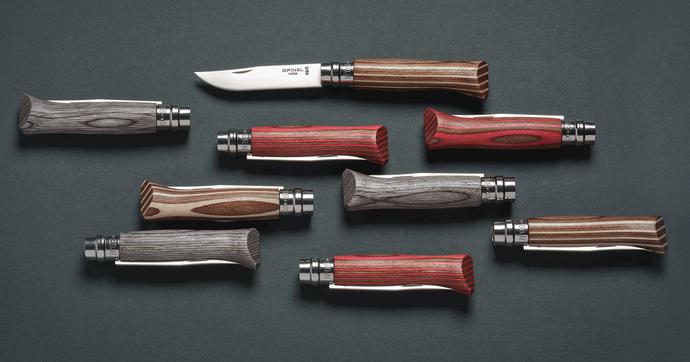
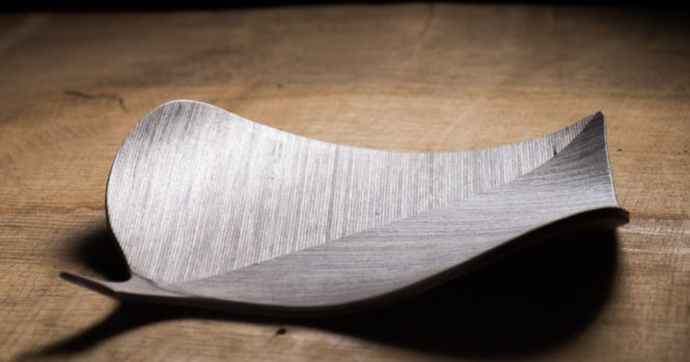
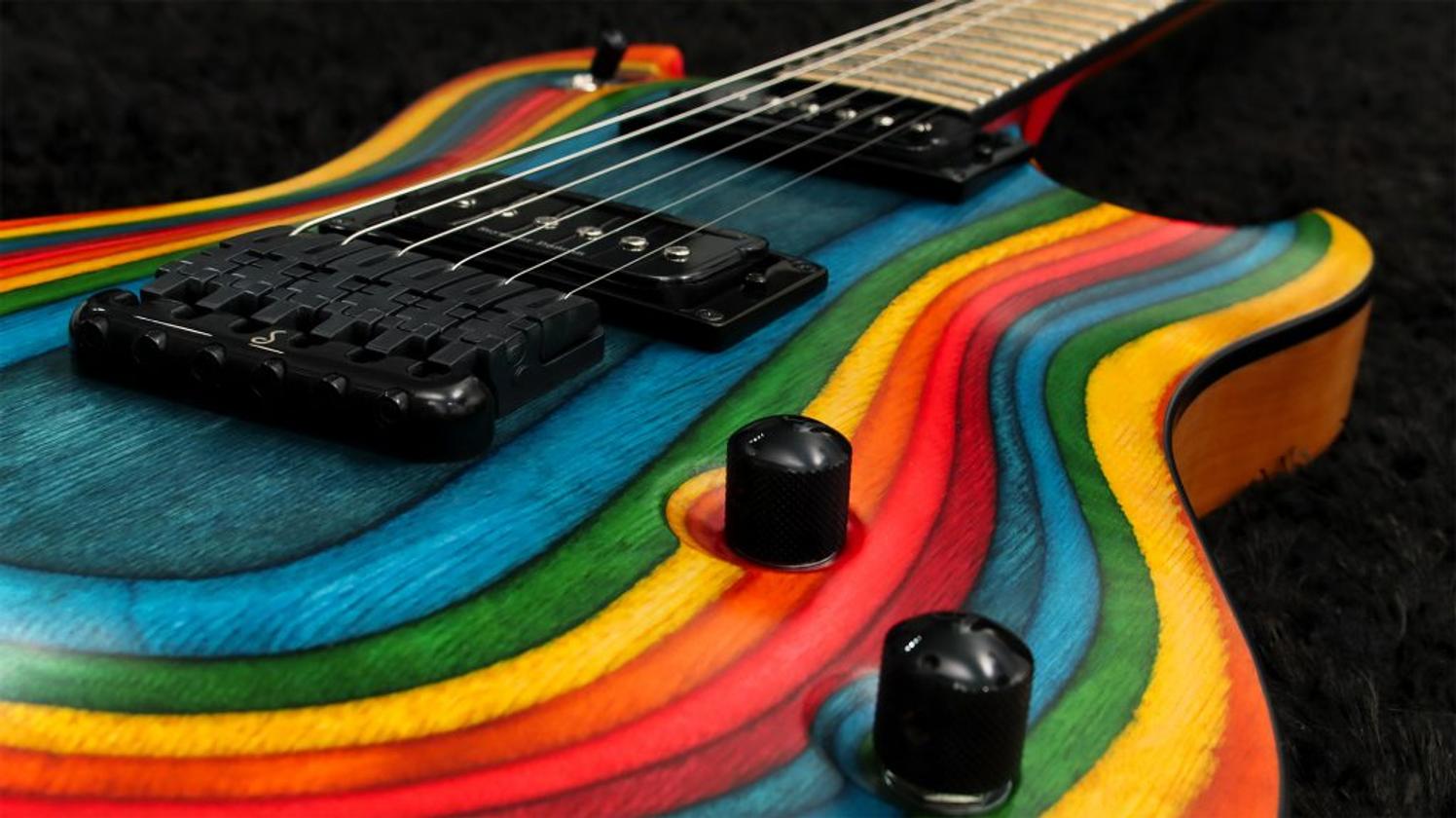
One of the key reasons for choosing CWP materials is their distinctive appearance. The layered colour structure becomes especially visible in curved surfaces, creating a visual depth that makes every instrument unique.
“The colour and appearance are the biggest reasons. In curved sections, the colours become beautifully visible.”

Because every laminated blank is different, each guitar top is designed around the individual material rather than forcing the material into a predefined pattern.
This requires both technical expertise and artistic sensitivity.
“Every blank is unique. The guitar top has to be made on the material’s terms, which requires skill. You need to allow the wood and colours to express themselves. Matching the centre seam visually is particularly challenging because it is a natural material, but that is also part of its charm.”
Nordic birch for performance and sustainability
Beyond aesthetics, the origin and characteristics of the material are equally important.
R GO Instruments values the use of Nordic birch, a locally sourced hardwood species that is not classified as endangered.
Traditionally, guitar tops are often made from maple. CWP laminated birch offers similar performance characteristics while introducing a distinctive visual identity.
“Birch is a bright, hard wood and works exceptionally well for this purpose. Maple and birch share many similar properties.”

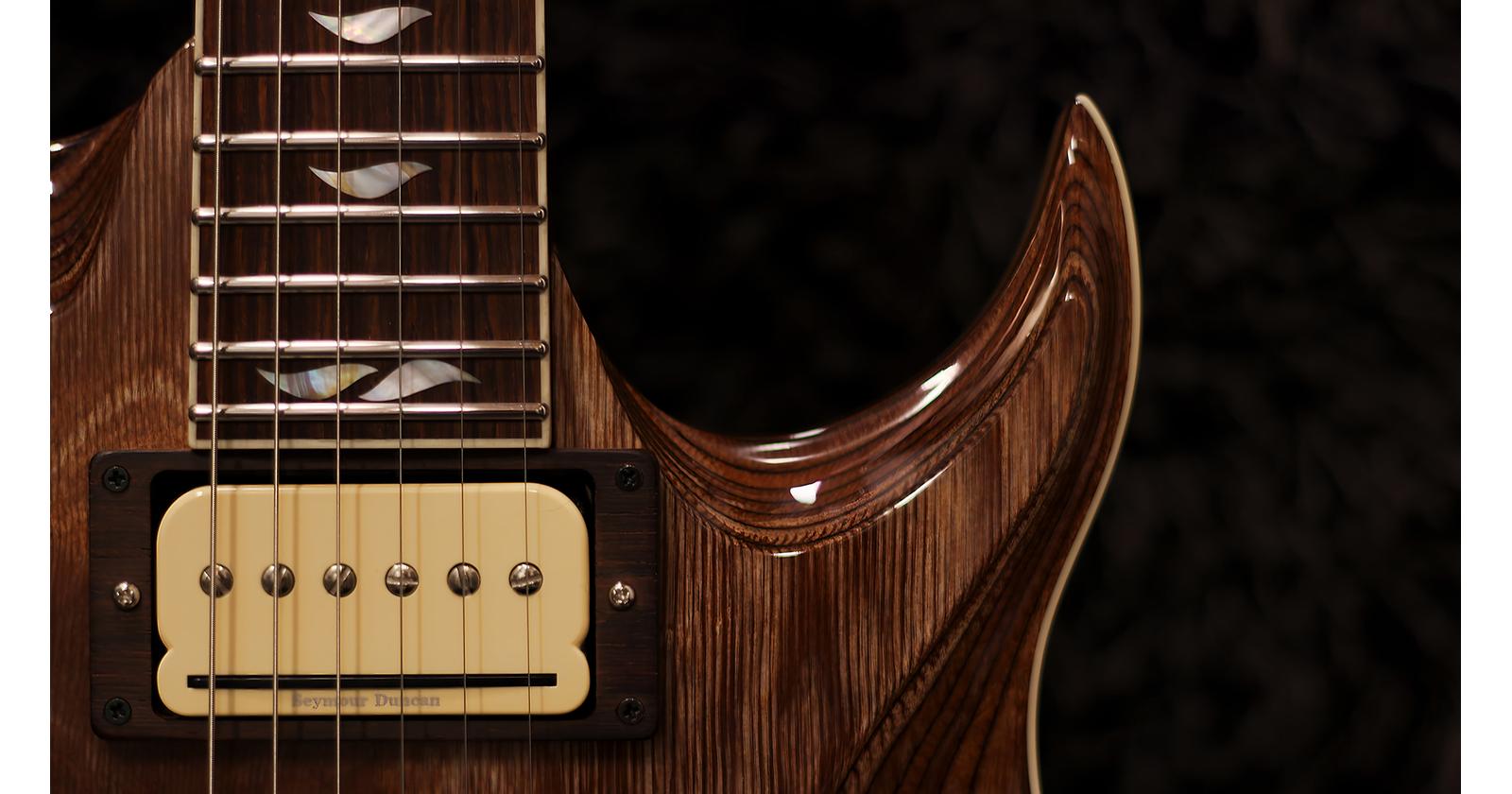
Solid wood remains an important part of the construction, while CWP laminated birch provides both structural and visual advantages where they matter most.
Stability you can feel
CWP laminated birch is also used in guitar neck construction, where stability is critical for both playability and sound transmission.
The necks are built from multiple laminated sections, creating a stronger and more dimensionally stable structure than a single-piece construction.
“For a guitar neck, it is important that it is laminated from several pieces. This makes it stronger, more stable and allows sound to travel better through the structure.”
The result is something musicians immediately notice.
“Every guitarist who picks up one of these necks can feel how solid it is.”

A favourite colour combination
Choosing a favourite colour is not easy when every laminated blank offers its own character.
“I would like to use every colour. I already have more than a dozen different coloured blanks waiting to become guitars.”
If one combination stands out above the rest, however, it is the contrast of black and natural birch.
“If I had to choose one favourite colour combination for a guitar, it would be Black / Natural.”
Materials used
Rainbow Guitar
Customised laminated blanks, colours:
BO / BY / G / SB / MB / RGR / AR

Conclusion
The collaboration between R GO Instruments and CWP shows how material choice can influence both the construction and identity of a finished product. CWP laminated birch gives the maker a material that is visually expressive, structurally reliable and suitable for highly crafted custom instruments.
In this application, colour is not just decoration. It becomes part of the guitar’s form, feel and character.