Helsinki Airport Extension
with Tuomas Silvennoinen, PES Architects
At Helsinki Airport, architecture operates at the intersection of performance, movement, and identity. Designed to support long-haul connections between Europe and Asia, the extension by PES Architects reconsiders the terminal experience—introducing material warmth and spatial clarity into a highly technical environment. In this article, lead architect Tuomas Silvennoinen shares how wood, and particularly coloured veneer, became a central element in shaping a distinctly Finnish atmosphere within one of the region’s most demanding public spaces
A material narrative for an international hub
The Helsinki Airport extension was designed to serve long-haul traffic between Europe and Asia—positioning Helsinki as a key transit hub. Within this highly technical environment, PES Architects set out to introduce a more human, grounded spatial experience.
“Airport terminals are typically dominated by steel and glass,” explains Tuomas Silvennoinen. “We wanted wood to act as a unifying element—bringing warmth, coherence, and a distinctly Finnish identity to the interiors.”
For international passengers, particularly those arriving from East Asia, the material palette also communicates a sense of place. Wood becomes more than a surface—it carries a cultural narrative, referencing Nordic nature and craftsmanship.
Wood in a technical context
Airports are defined by performance requirements—fire safety, durability, and precision. Within these constraints, the design team deliberately introduced wood as a counterbalance.
“We were looking for a material that is warm and human, yet still technically aligned with the overall environment,” says Silvennoinen.
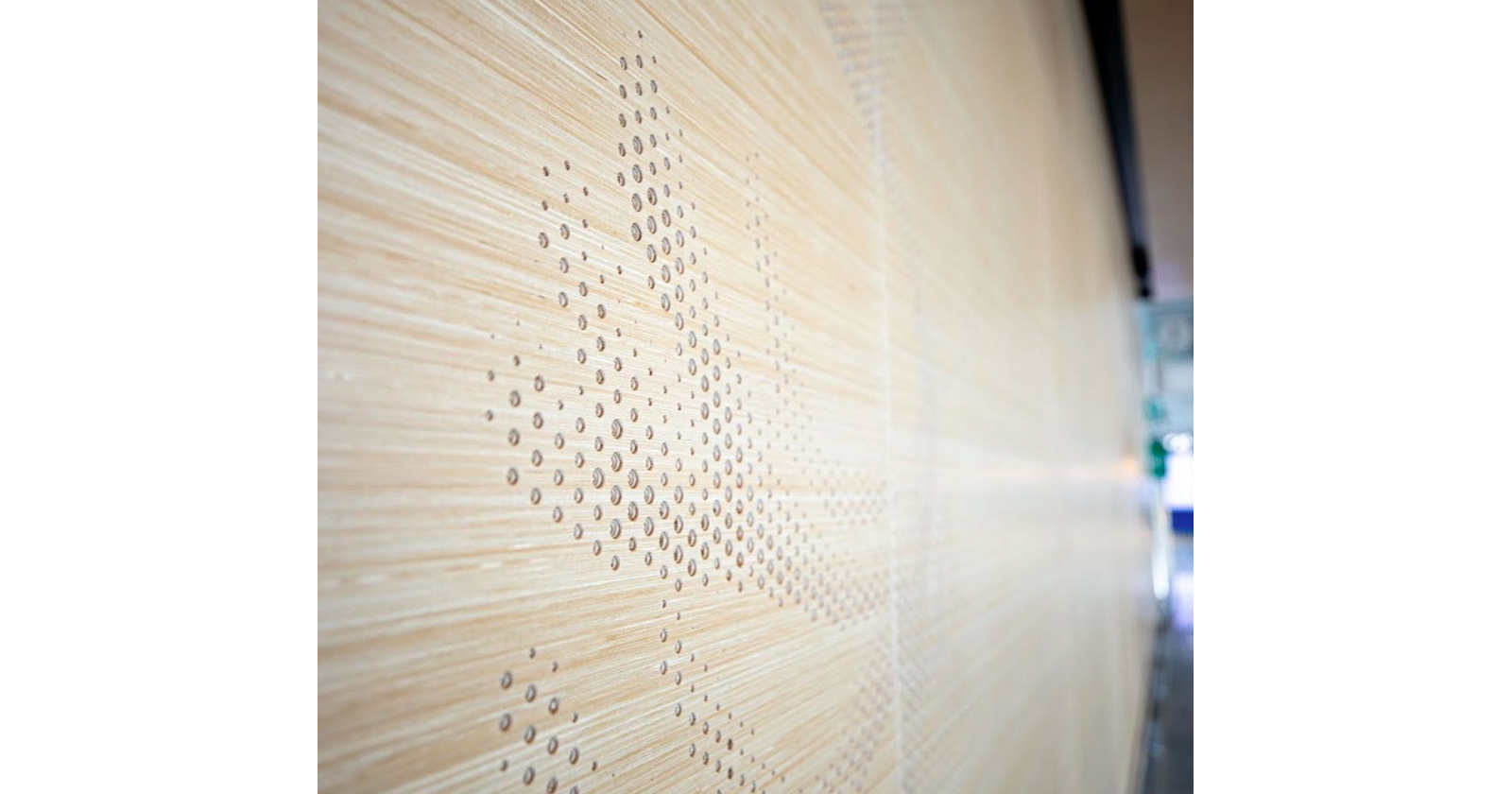
Reconstituted and coloured veneers played a key role in achieving this balance. Beyond their technical suitability, they also informed the conceptual layer of the project:
“There’s a historical connection between wood and aviation. Early aircraft construction relied heavily on wood. That reference became part of our design language—visible in wall surfaces, ceilings, and custom furniture.”
Local sourcing was another important consideration. Wherever possible, materials were selected from Finland or nearby regions—ensuring both relevance and responsibility.
A cohesive passenger experience
One of the defining features of the extension is the non-Schengen security area, designed especially for passengers arriving from Asia.
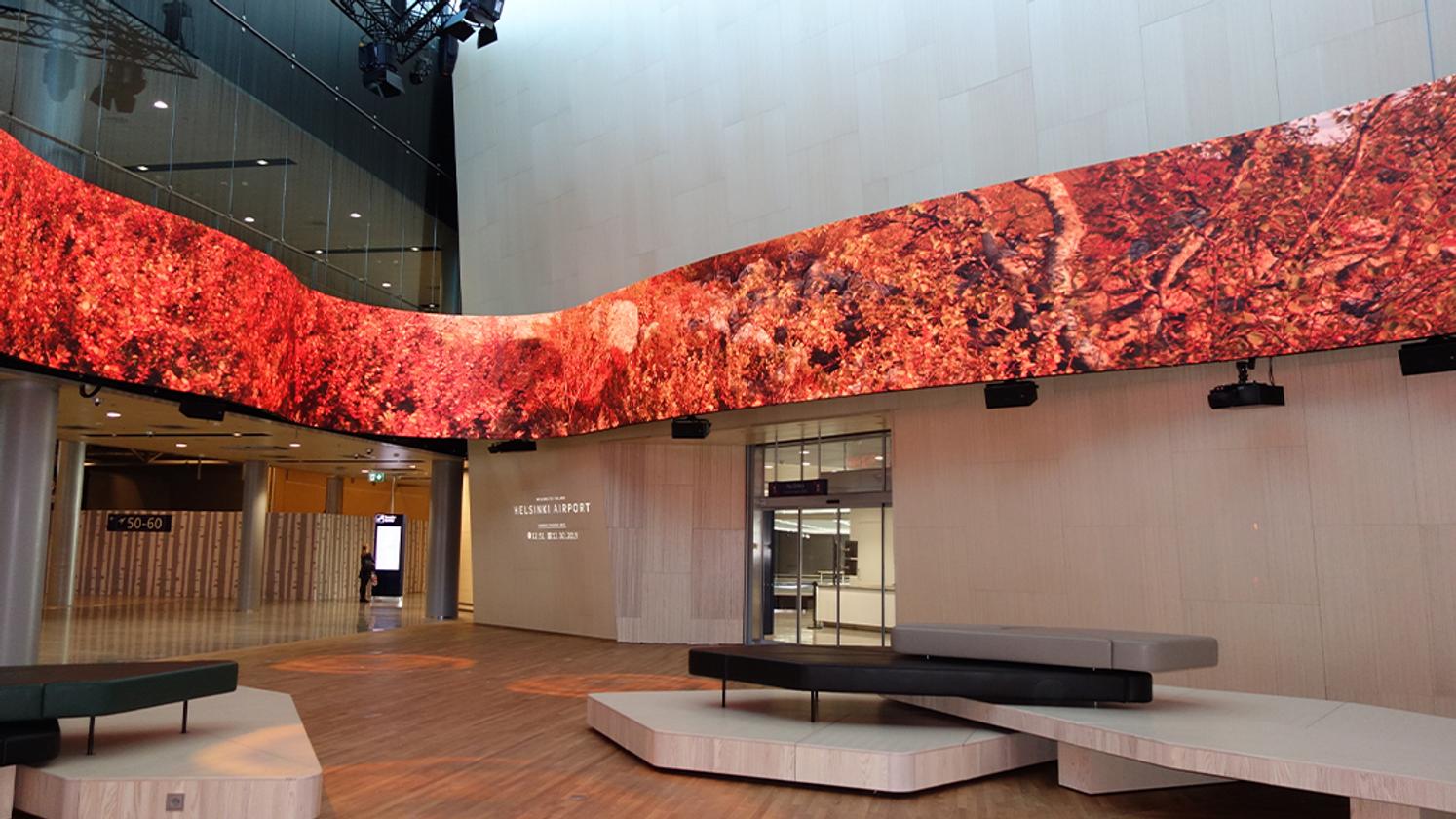
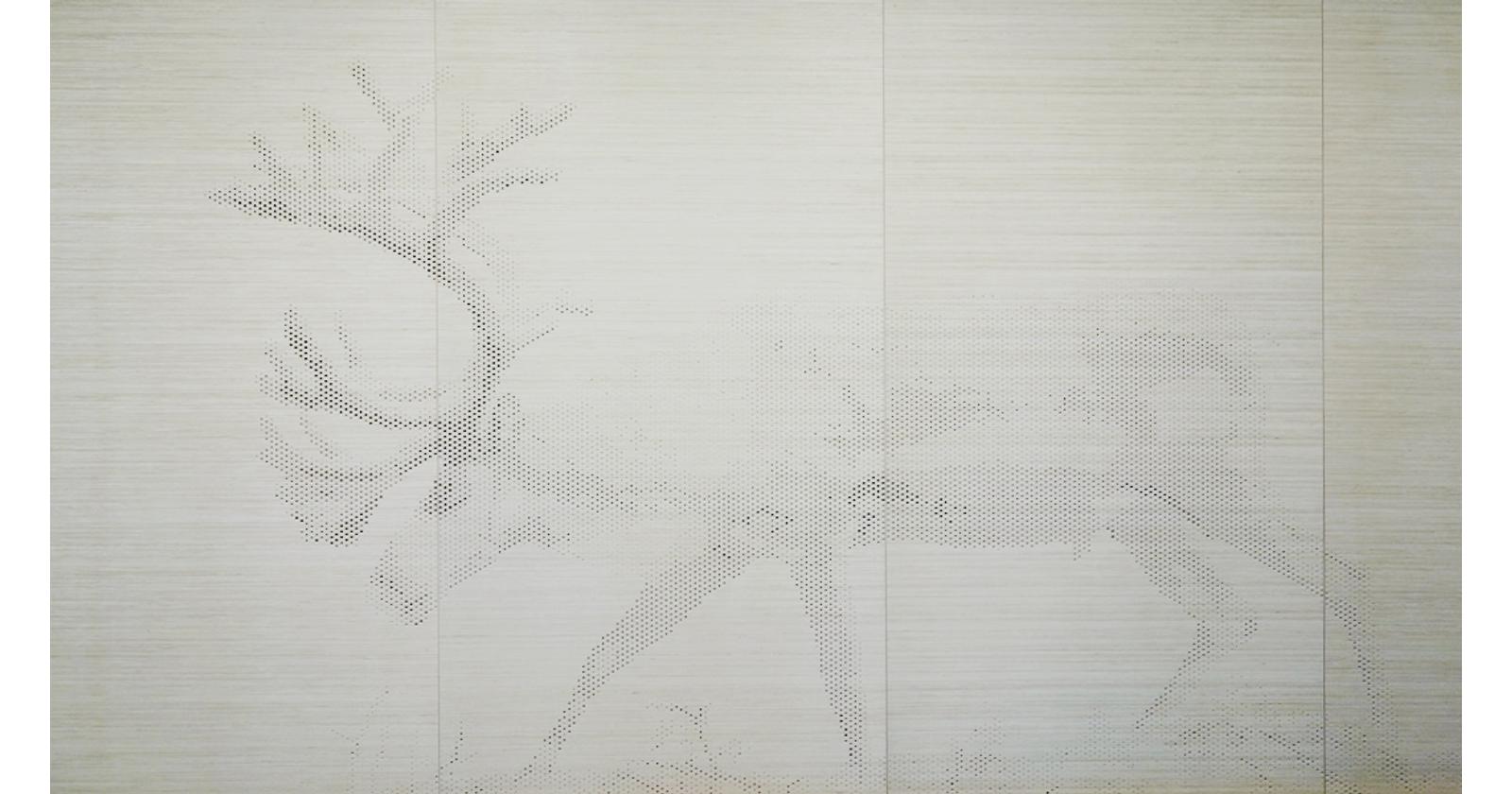
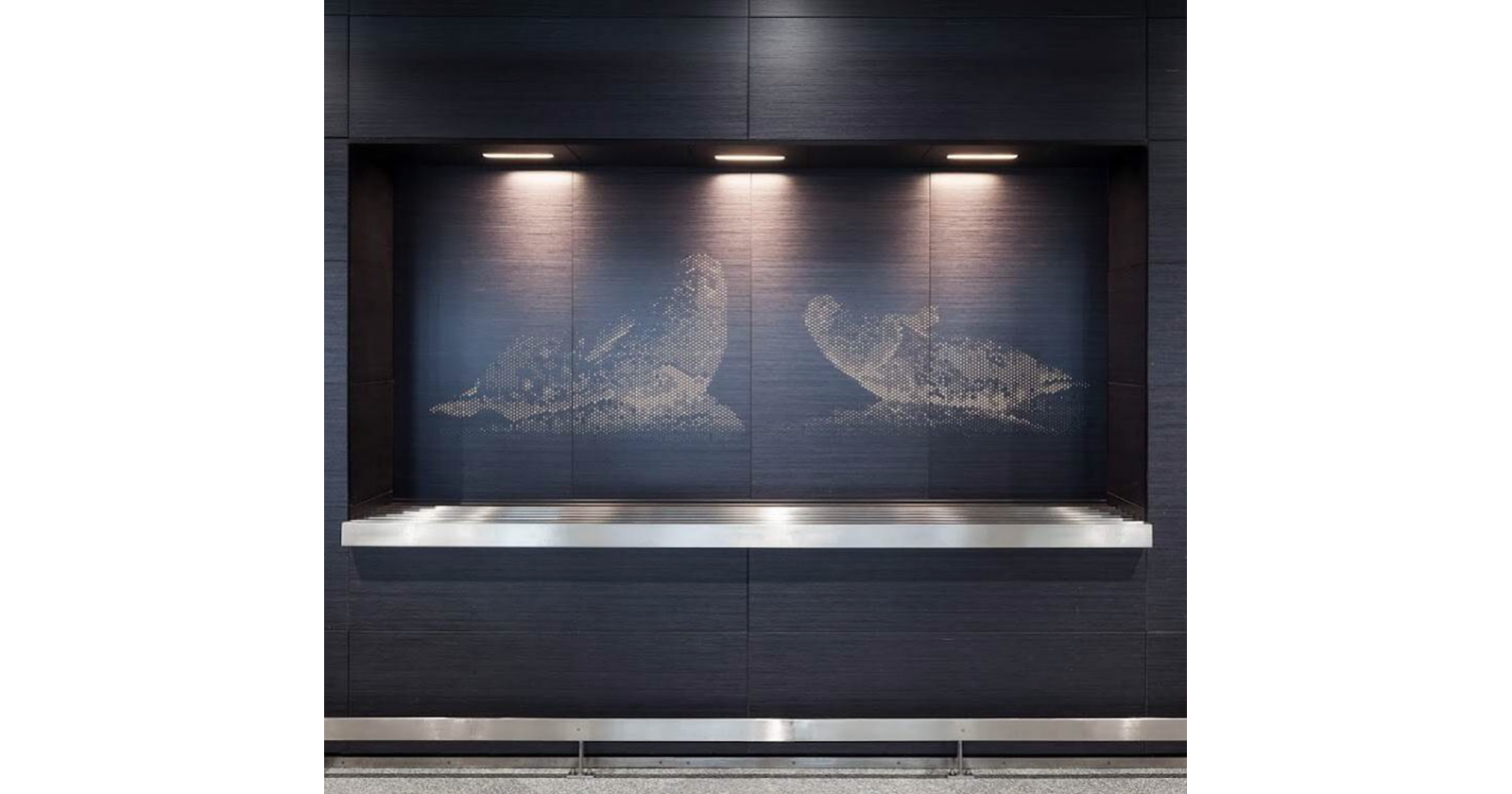
An 80-metre-long interior veneer façade structures the space, integrating functional zones where passengers can reorganise their belongings after security. The surface also acts as a storytelling medium.
“Finavia wanted to highlight Finnish nature and wildlife,” Silvennoinen notes. “We worked with deep, dark tones and integrated visual motifs—such as cranes—into the veneer surfaces.”
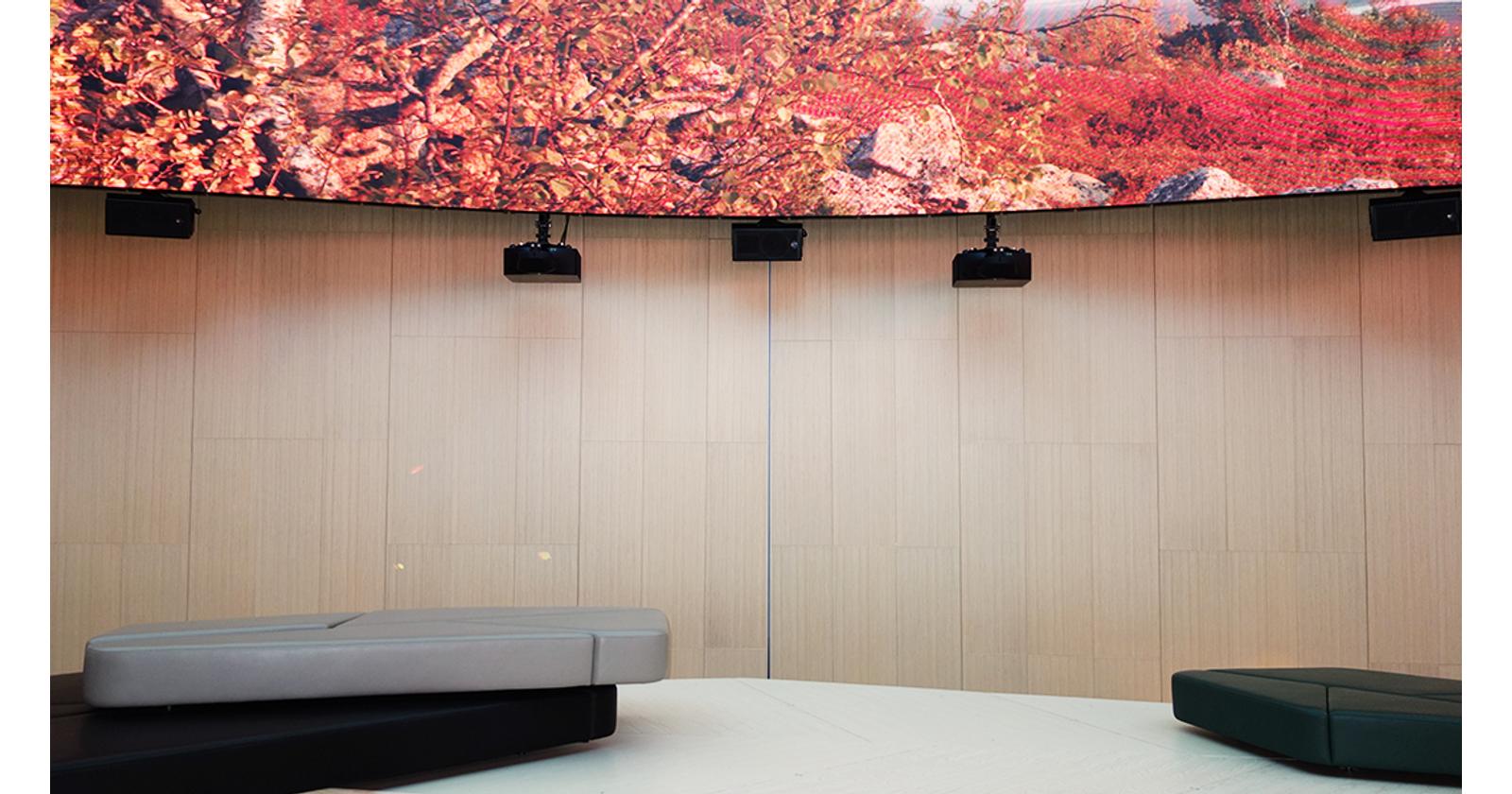
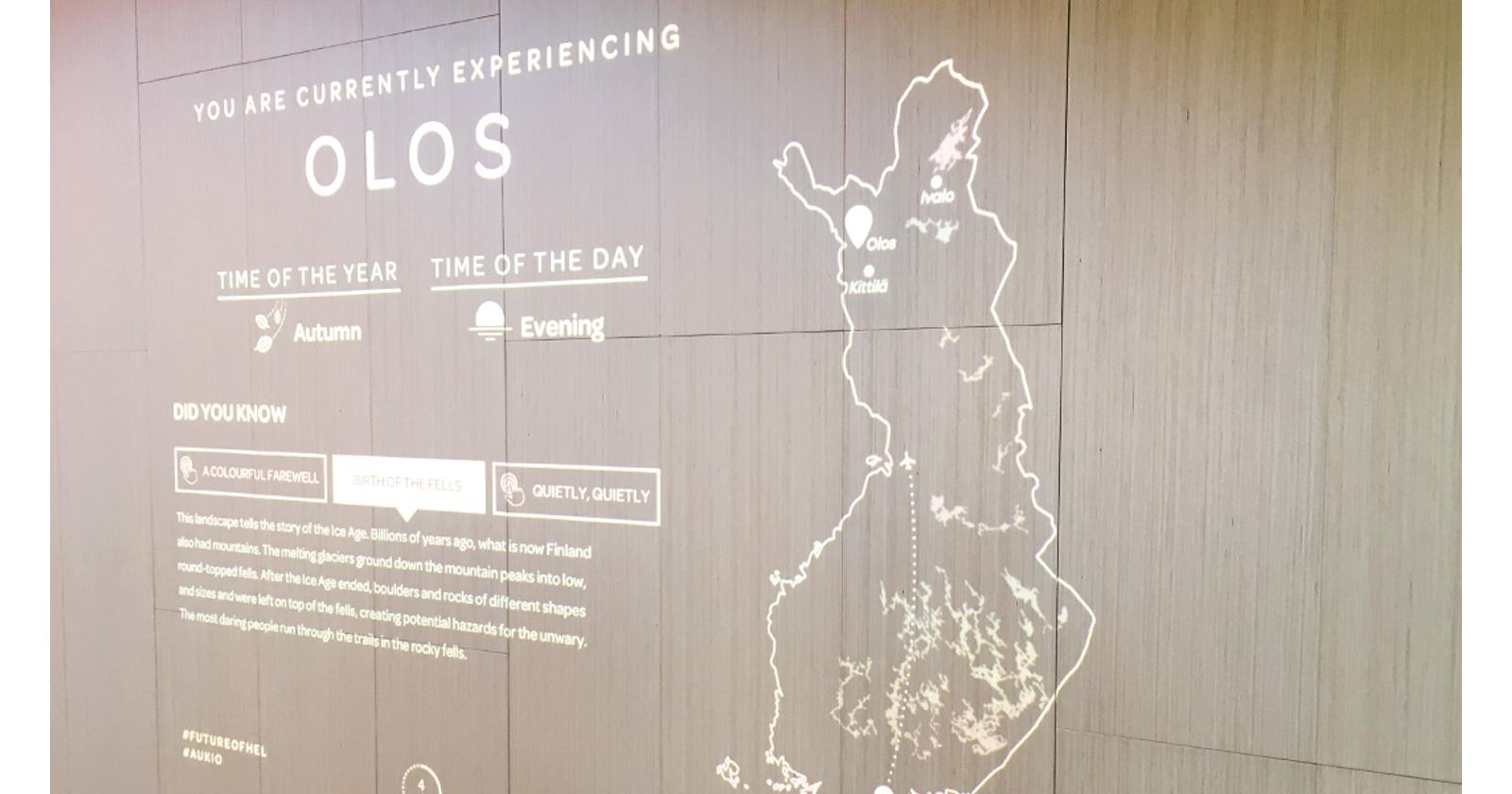
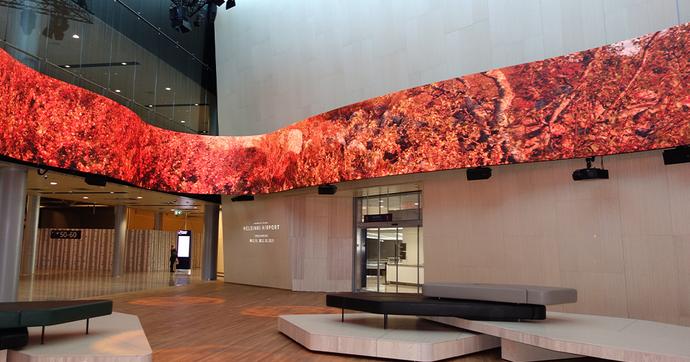
Beyond security, passengers enter a central plaza featuring an immersive digital installation. Seasonal Nordic landscapes are presented through light, sound, and moving imagery, with the veneer surfaces forming a calm, continuous backdrop.
Throughout the terminal, wood is used consistently:
- as ceiling elements in commercial areas, creating a warm retail atmosphere
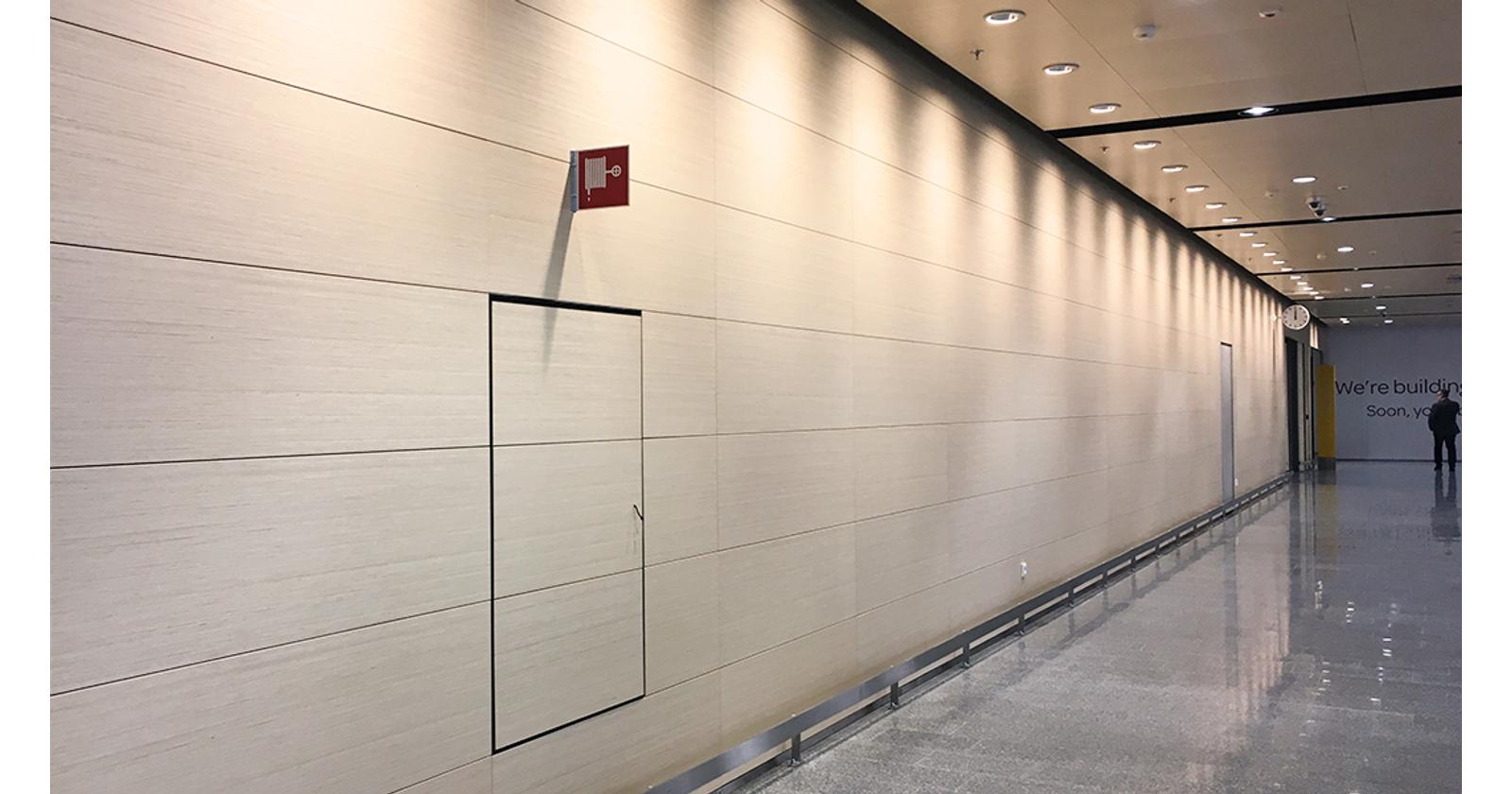
- along long corridor walls, where carefully controlled lighting enhances the grain and depth of the material
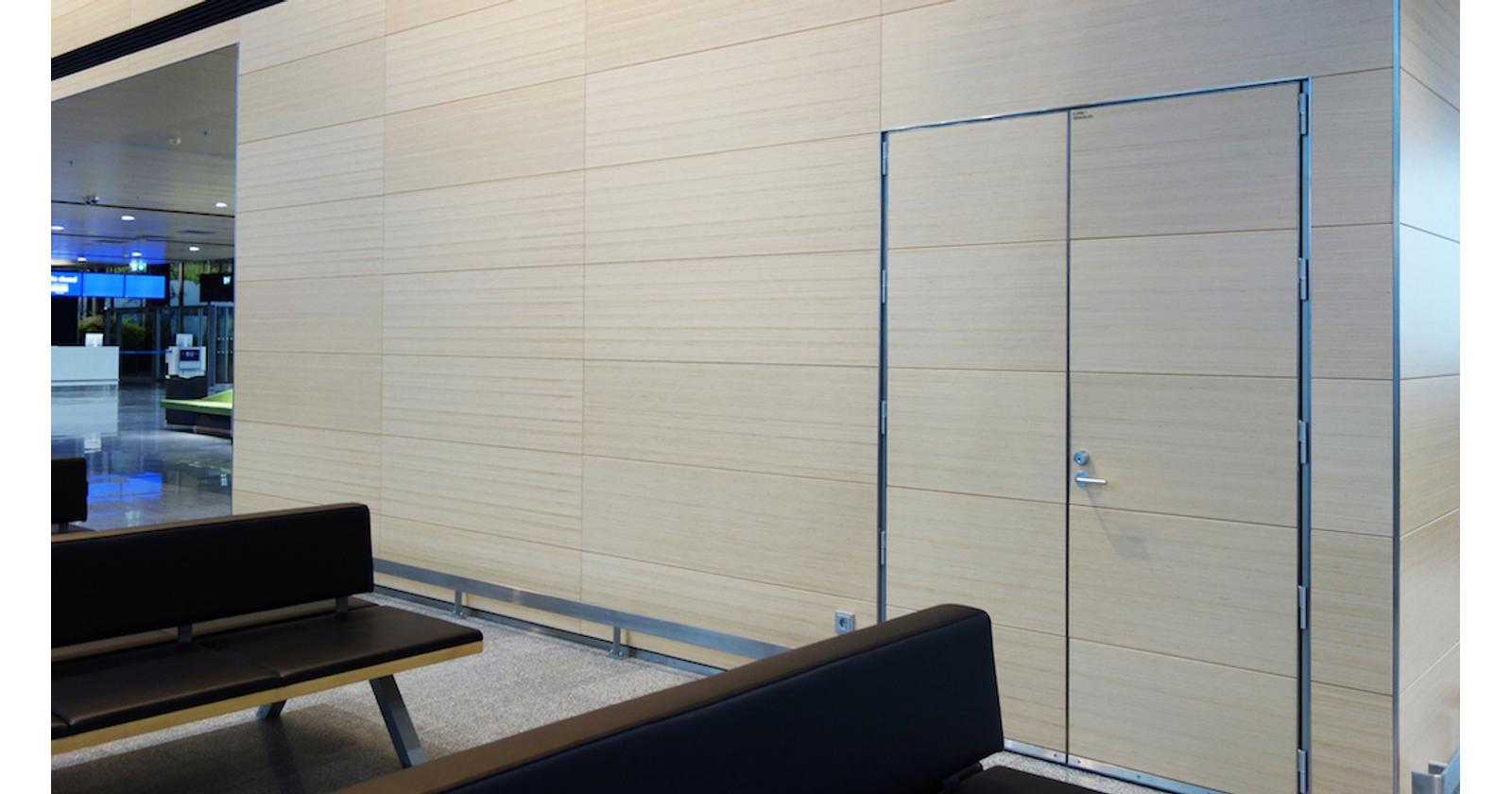
- in furniture and integrated architectural details, reinforcing material continuity
The role of coloured veneer
Coloured wood products were selected to achieve both aesthetic and technical precision.
“We wanted wood to feel present, but also refined and controlled,” Silvennoinen explains. “The ability to work with consistent tones was essential.”
Three distinct colour directions were used across the project:
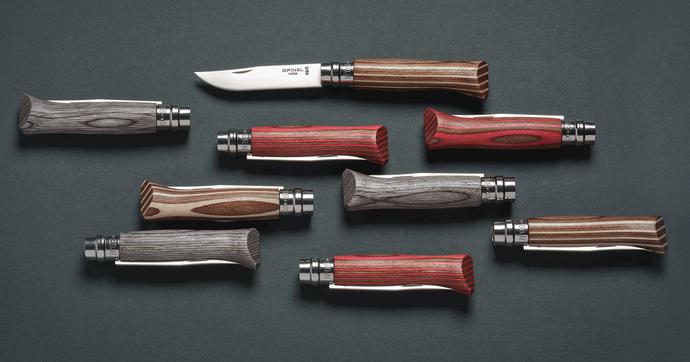
- a warm brown tone in earlier expansion areas
- a natural wood tone
- a deep black, used for contrast and spatial definition
“The result is an atmosphere that feels both natural and technical—in a positive way.”
Long-term material performance
The project builds on an established material relationship.
“We’ve been working with these coloured wood products for nearly ten years,” says Silvennoinen. “They perform reliably across different applications—from furniture to ceilings and wall cladding.”
Their consistency, workability, and compliance with strict aviation standards made them a natural choice for a project of this scale and complexity.
Materials used
- CWP Interior Veneer
- Colour on light-coloured walls: Light Wood (LN)
- Colour on dark-coloured walls: Forest Night (LEBC)
Explore CWP Colour and Material Options
To understand the full design potential behind these applications, explore CWP’s colour selection and interior veneer solutions. The range is developed to support consistent, scalable production while offering a high degree of visual flexibility—enabling designers and manufacturers to create distinctive products with confidence.